


The European Commission’s Environment directorate is launching a new campaign on March 21 to protect pollinators. With the announcement of the campaign came the stark warning: Scientists are warning that more than 40% of insect species are declining and one in three are endangered.
Pollinators are a diverse group of animals that pollinate crops and wild plants.Pollination is the transfer of pollen between the male and female parts of flowers and is a vital step in the fertilization and reproduction of plants.
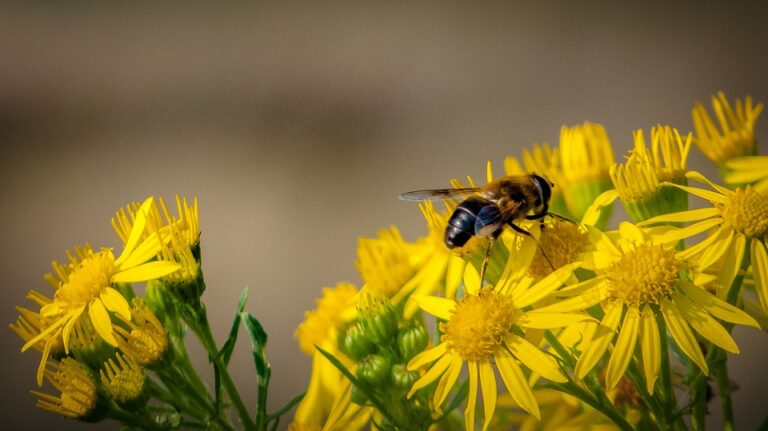
In Europe, pollinators are primarily insects like bees, hoverflies, butterflies, moths, beetles and other fly species. Some of these species are domesticated, like for example honey bees. Nearly 4 out of 5 wild flowers need animal pollination, while more than 4 out of 5 crops benefit from it.
In Europe, pollinators are primarily insects like bees, hoverflies, butterflies, moths, beetles and other fly species. Some of these species are domesticated, like for example honey bees. Nearly 4 out of 5 wild flowers need animal pollination, while more than 4 out of 5 crops benefit from it.
In the past decades, pollinators have declined in occurrence and diversity in the EU. Our understanding of the status and trends of pollinators, the threats they face and the consequences of their loss has significantly improved in recent times thanks to a growing body of research, in particular the European Red List of bees and butterflies, ALARM and STEP projects.
It is considered that multiple drivers are responsible for the decline of pollinators. According to the IPBES report direct threats to pollinators include land-use change, intensive agricultural management and pesticide use, environmental pollution, invasive alien species, pathogens and climate change.
It is considered that multiple drivers are responsible for the decline of pollinators. According to the IPBES report direct threats to pollinators include land-use change, intensive agricultural management and pesticide use, environmental pollution, invasive alien species, pathogens and climate change.
The UN recently noted that 75% of food crops and 90% of wild flowering plants are dependent on pollinators for their existence.
The application of chemicals such as neonicotinoids is strongly implicated as adversely affecting bees and other pollinators.
The application of chemicals such as neonicotinoids is strongly implicated as adversely affecting bees and other pollinators.
Edited by Bouli Hadjioannou